Cabinet de Chiropraxie Paris-Chiropratique

La douleur n'est pas une fatalité. Dans la majorité des cas, il est possible d'aider une personne avec des douleurs et symptômes chroniques.

— Denis Alemi
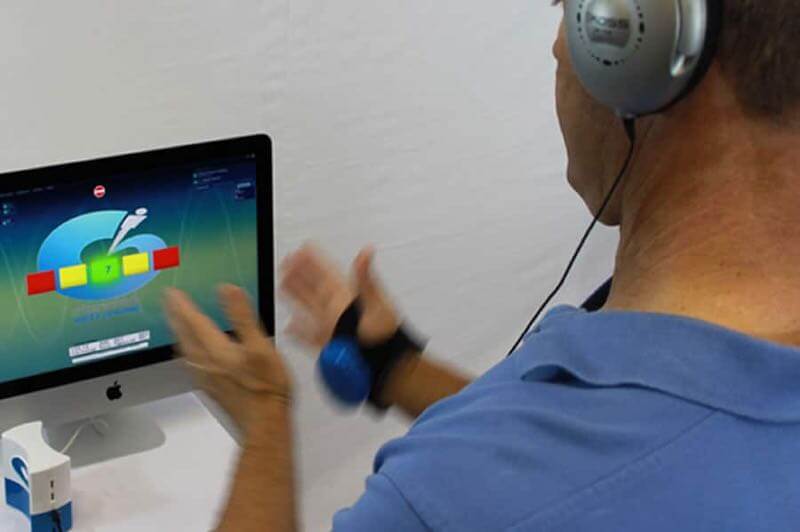
Metronome Interactif à Paris
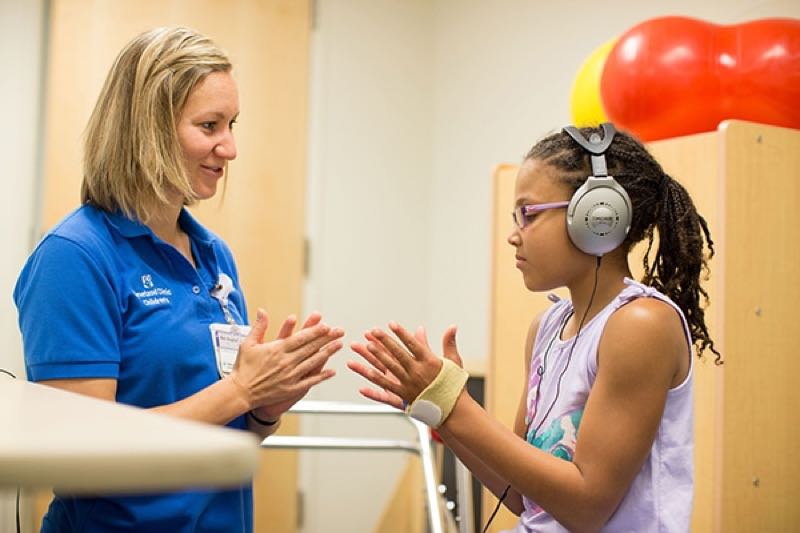
Metronome interactif enfant tdah

Interactive Metronome for brain synchronisation

The Interactive Metronome is an evidence-based training and assessment tool.

The Interactive Metronome has been proven to improve cognition, attention, concentration, memory, speech/language, executive functioning, comprehension, as well as motor and sensory skills.

What is Interactive Metronome ?

The Interactive Metronome is a therapeutic modality used by professionals working with pediatric and adult patients with neurological disorders that affect cognitive and motor function. The Interactive Metronome is both an assessment and treatment tool and has shown improvements in the following brain areas:

  • Parietal lobe (emotions, reasoning, attention, impulsivity,…)
  • Frontal lobe (movements, orientation, perception of stimuli, sensory integration,…)
  • Dorsolateral prefrontal cortex (motor planning, rhythm, speech,…)
  • Cingulate Gyrus (Executive functions, emotions, rhythm,…)
  • Basal ganglion (voluntary movements, coordination, rhythm,…)
  • Cerebellum (Perception of body position, speech, rhythm,…)

Applications of the Interactive Metronome

The Interactive Metronome is a patented program that improves the brain’s synchronization and rhythmic abilities. Rhythmic mechanisms are essential for the functioning of different brain regions and networks, and their dysfunction contributes to symptoms observed in many neurological disorders. Retraining rhythm and brain synchronization with the Interactive Metronome can help improve numerous disorders in children and adults, as well as enhance athletic performance and the well-being of healthy individuals.

Various studies and numerous testimonials have shown improvement in:

Children

  • Attention deficit
  • Autism / Asperger’s
  • Learning disabilities
  • Dyslexia
  • Sensory processing disorder
  • Auditory processing disorders
  • Cerebral palsy
  • Developmental disorders

Adults

  • Head trauma
  • Concussion
  • stroke
  • Parkinson
  • Adult ADHD

Brain synchronization and rhythmicity technology

Used by more than 40,000 clinicians worldwide

More than 45 studies published as of today

More than 30 years in public service

Some studies concerning the Interactive Metronome and brain rhythm